Finding the right apartment air conditioner in Brown Summit, NC means balancing lease rules, humid Piedmont summers, and whatever window or outlet access your unit actually gives you. Window, portable, and ductless mini-split systems each solve a different version of that problem, and picking the wrong one usually means a loud, overpriced summer. Here's how to choose correctly the first time, plus when it's worth calling a licensed technician instead of handling it yourself.
What Type of Air Conditioner Is Best for an Apartment?
Choosing an apartment air conditioner in Brown Summit, NC usually comes down to three realistic options: window units, portable units, and ductless mini-splits.
The right pick depends on three things:
- Whether your apartment has a usable window
- What your lease actually allows
- Whether you want a DIY plug-in setup or a professional install
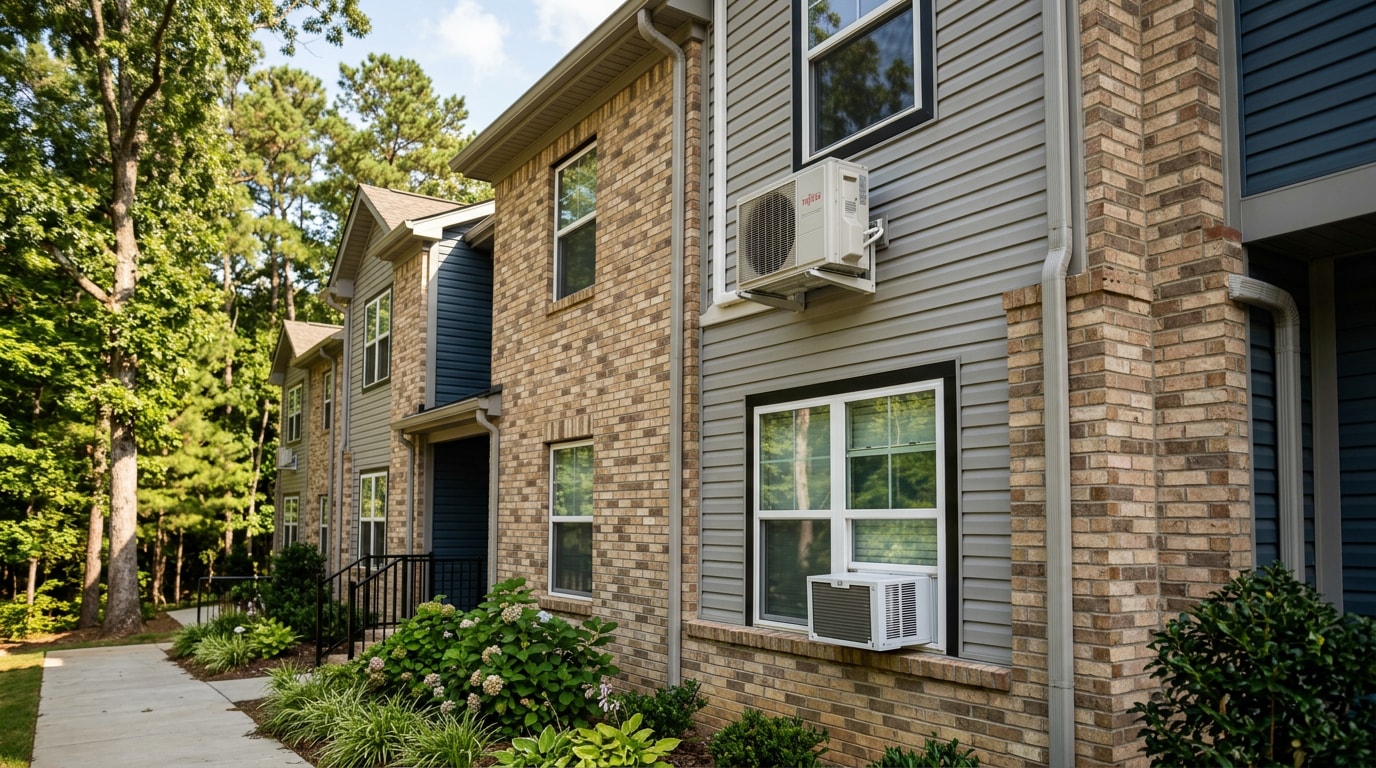
Window units are the traditional choice for a reason. They don't take up floor space, and they cool a single room efficiently, which makes them a solid fit for studios and one-bedroom layouts.
Portable units sit on the floor and vent through a hose that installs with a window kit. They're easier to move between rooms, but they tend to cost more to run than a comparable window unit for the same cooling output.
A third option, ductless mini-splits, solves problems neither window nor portable units can handle. They're worth their own section below.
Ductless Mini-Split Air Conditioners for Brown Summit Apartments
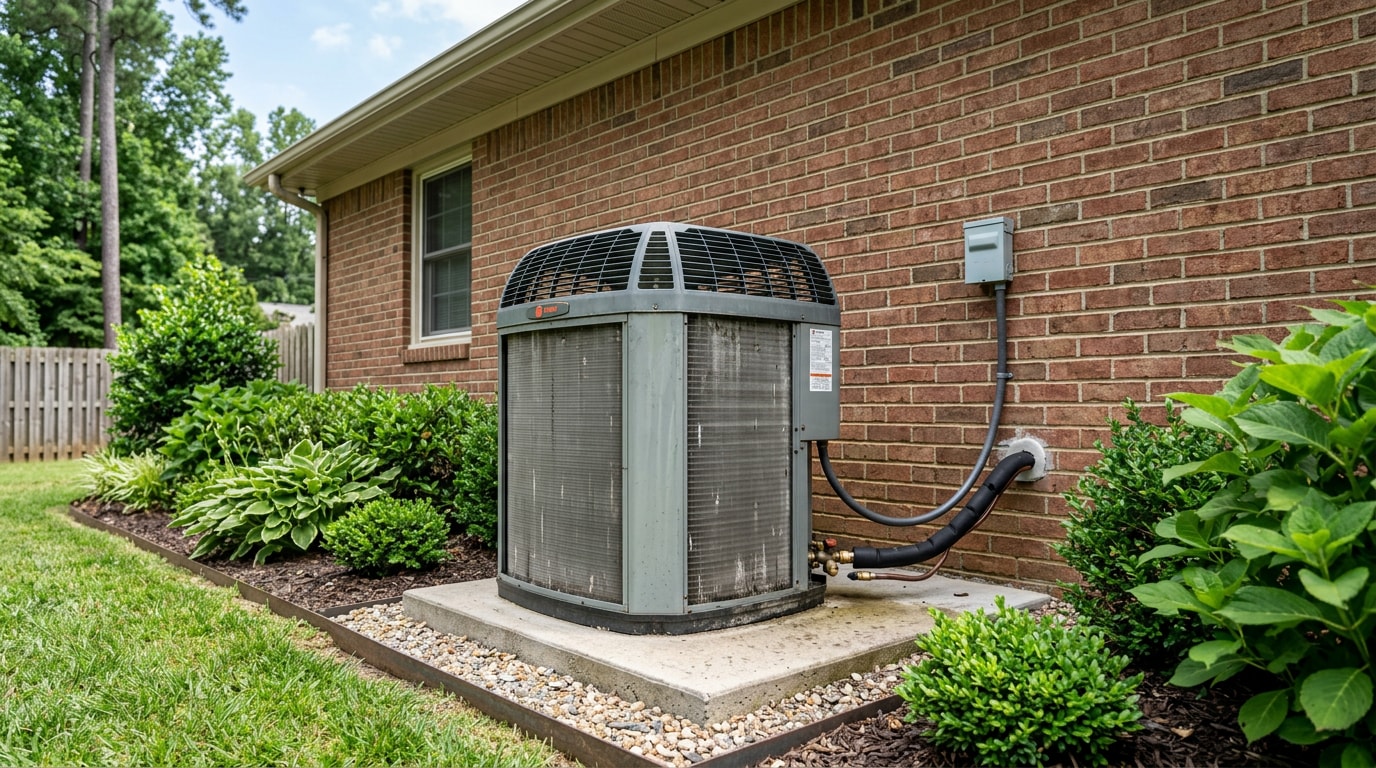
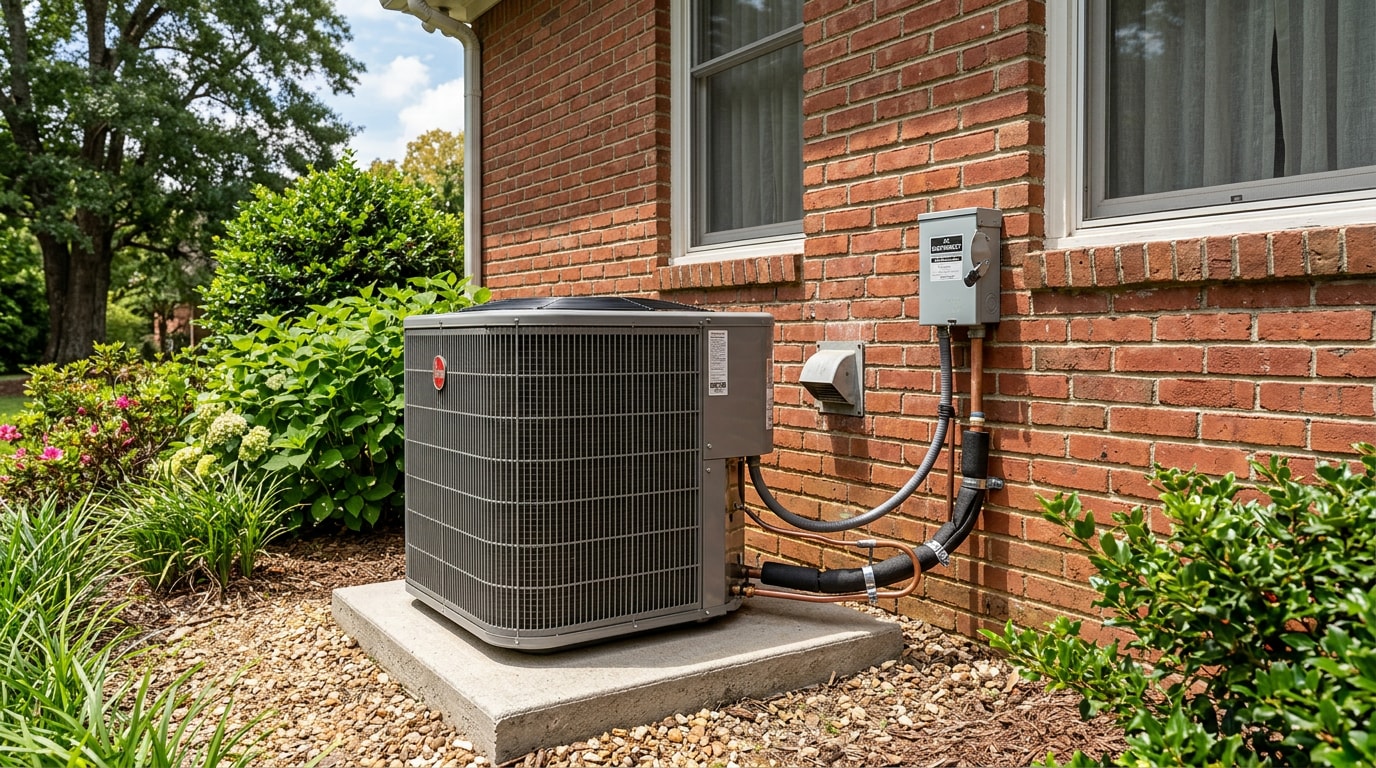
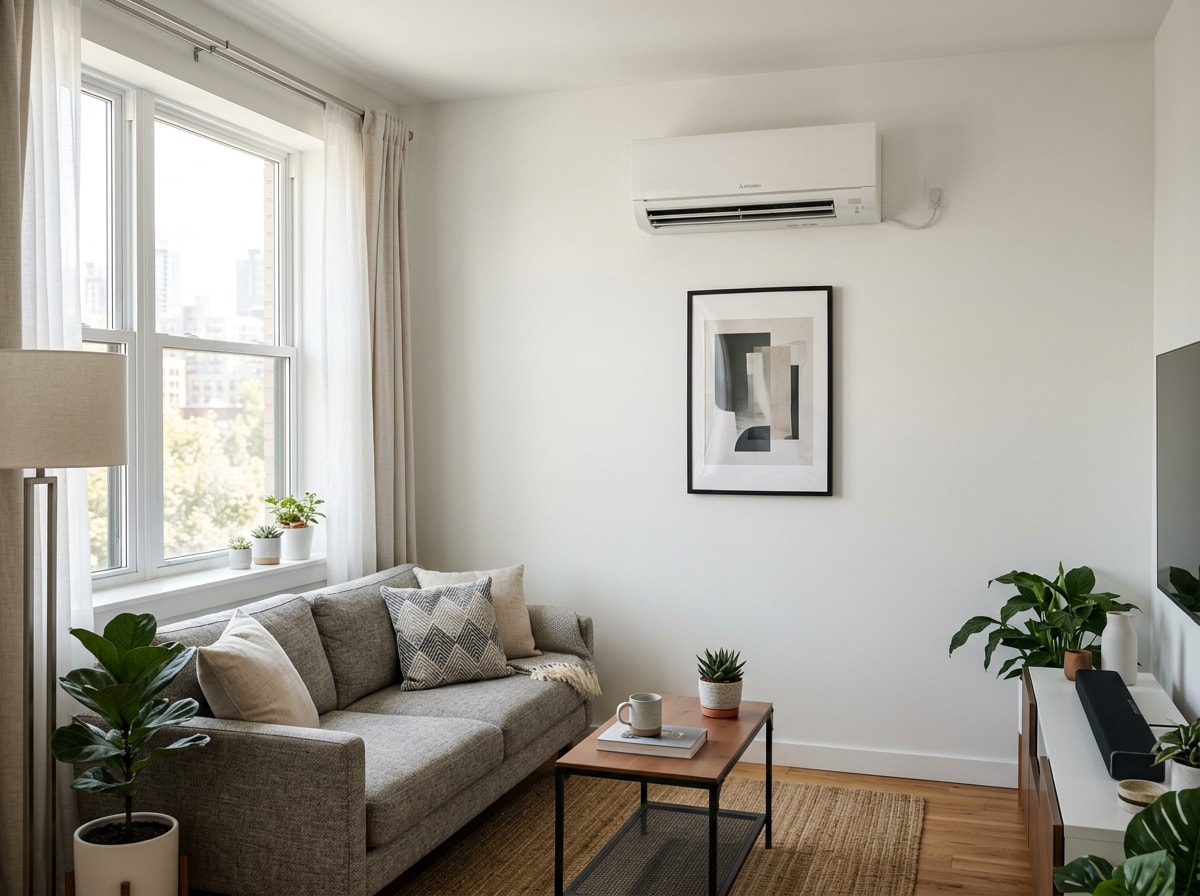
Mini-splits are the most efficient ductless cooling option available, and compared to window or portable units, they can heat or cool an apartment using a fraction of the energy. That efficiency matters most in apartments without central duct access, where a mini-split mounts a small indoor unit on a wall and connects to an outdoor compressor through a narrow conduit.
For renters, mini-splits also offer zoned comfort. Modern models are powerful enough to cool a small apartment without disrupting the interior layout, and many property managers approve them more readily than through-wall alterations since the wall penetration is small. Local installation matters here: a technician should confirm your lease allows outdoor unit placement and size the system correctly before any work begins.
| Factor | Window Unit | Portable Unit | Mini-Split |
|---|---|---|---|
| Upfront cost | Low | Moderate | Highest |
| Monthly energy cost | Moderate | Higher | Lowest |
| Noise level | Moderate | Loudest | Quietest |
| Landlord approval odds | Moderate | High | Varies by lease |
| Install complexity | DIY, 30 min | DIY, under 1 hour | Professional required |
Here's a federal data point most apartment guides skip: the U.S. Department of Energy's own purchasing guidance shows the lifetime energy cost gap between efficiency tiers is real, not marketing fluff. Federal purchasing data puts the lifetime energy cost of a baseline room air conditioner at $648 over nine years, compared with roughly $458 for the most efficient models. That's a meaningful gap for a renter paying their own utility bill.
If you're deciding between a mini-split and a traditional window unit for day-to-day living, our ductless heating and cooling system guide breaks down installation and repair costs in more detail. For apartment-specific installs, explore ductless mini-split repair and service before signing off on a unit.
How to Size Your Apartment Air Conditioner Correctly
Sizing is the single biggest mistake renters make, in either direction. Room air conditioner sizing is all about matching the room size to the air conditioner size, and a unit that's too big will be less effective and offer reduced efficiency. An oversized unit cools the air before it removes the humidity, which leaves a room feeling damp instead of comfortable.
ENERGY STAR publishes an official sizing chart based on square footage and an 8-foot ceiling:
| Room Size (sq ft) | Capacity Needed (BTU/hr) |
|---|---|
| 100–150 | 5,000 |
| 150–250 | 6,000 |
| 250–300 | 7,000 |
| 300–350 | 8,000 |
| 350–400 | 9,000 |
| 400–450 | 10,000 |
| 450–550 | 12,000 |
| 550–700 | 14,000 |
| 700–1,000 | 18,000 |
Adjust from there: increase capacity for a sunny room, decrease it for a heavily shaded one, and add capacity if the space doubles as a kitchen or sees heavy foot traffic. Oversizing drives up both the purchase price and energy use, and it hurts humidity removal because the unit cycles on and off too quickly.
Affordability plays into this too. Window units cost less upfront, while mini-splits cost more initially but save on energy bills over time, so match the unit to the room instead of buying the biggest one you can afford.
Room Layout, Windows & Lease Rules
Window access is often the deciding factor. A window or portable air conditioner needs a window opening, so if your apartment has no windows, or your lease restricts window units entirely, a mini-split becomes the practical solution.
Apartment layout also affects placement. A unit blocked by furniture or facing direct afternoon sun won't cool efficiently no matter how well it's sized.
Safety matters more in apartment buildings than in standalone homes, especially above the first floor. Air conditioners rely on free airflow, and anything blocking the intake on the indoor or outdoor side interferes with cooling ability. Before mounting anything in a window frame, check that the window and any support material are free of damage or rot, since a weakened frame shouldn't carry the unit's weight. If you're unsure whether your windows or lease allow a given setup, a quick call before you buy saves a return trip.
Common Apartment AC Challenges and Solutions
Some apartments have windowless rooms or windows too narrow for a standard unit. The usual fix is a portable air conditioner, since it only needs a small vent hose routed through a narrow opening or, with the right kit, a sliding door track.
Noise is another frequent complaint, especially with older portable units placed near a bed or desk. A few fixes worth trying before replacing the unit:
- Move the unit away from seating or sleeping areas when possible
- Check that the vent hose isn't kinked, which increases compressor strain and noise
- Look at multi-function models that dehumidify or add supplemental heat, since one appliance handling multiple jobs often means less equipment crammed into a small space
Apartment renters dealing with water pooling under a window unit or a portable unit's drain pan should also rule out a refrigerant or drainage issue before assuming it's normal condensation. Our AC leaking guide for Brown Summit, NC covers the most common causes and what they typically cost to fix.
AC Repair, Installation & Maintenance Services in Brown Summit, NC
Once you've chosen a unit, local service matters, especially for mini-splits or landlord-owned central systems. Our technicians serve apartment communities and single-family homes throughout the Brown Summit, NC area.
AC Repairs
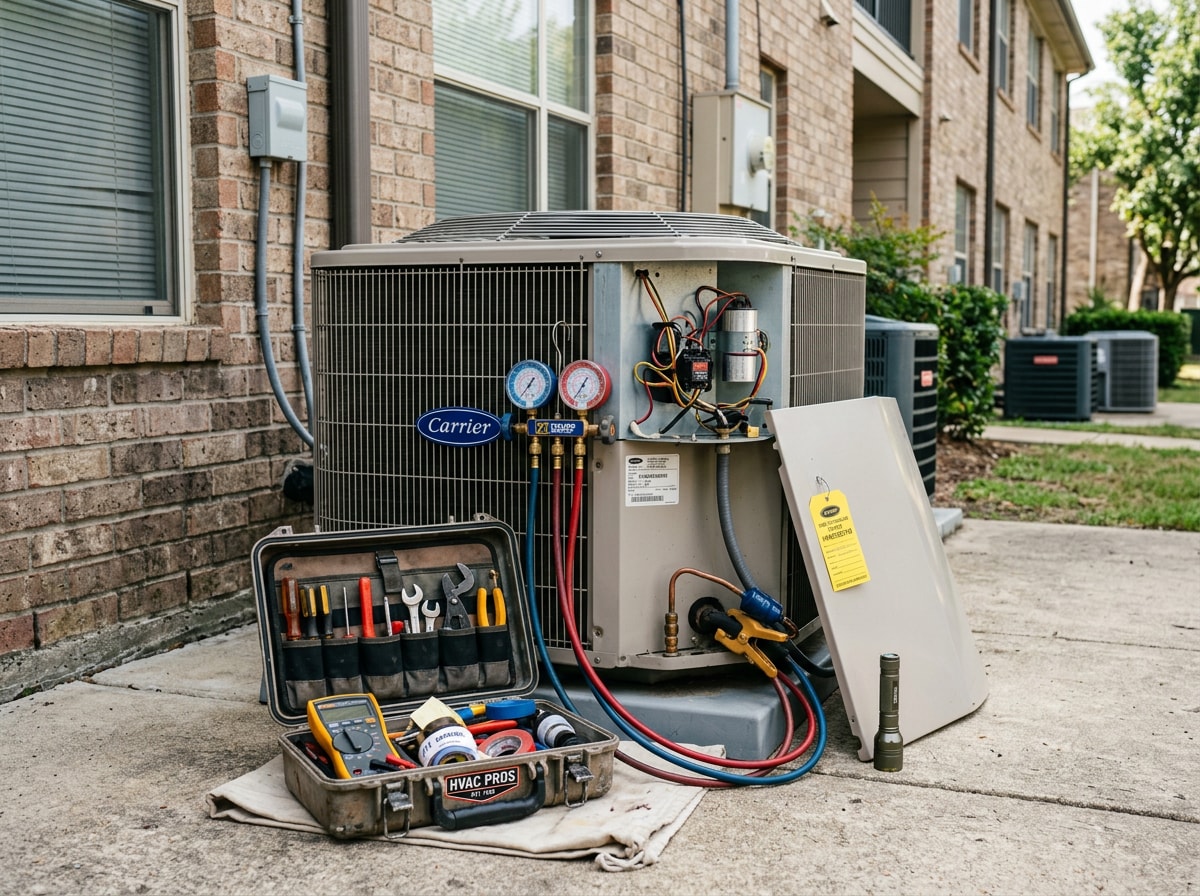
We handle every common AC issue, weak airflow, strange noises, frequent cycling, and warm air from vents, and service all major brands. Apartment renters should confirm with property management before scheduling repairs on landlord-owned equipment, since unauthorized work can sometimes violate lease terms. Request AC repair service to get started.
New AC Installation & Replacement
When it's time for a new unit, our team sizes and installs window-alternative systems like mini-splits correctly the first time, whether you're upgrading to a more efficient system or replacing a failing one. Since mini-splits run on heat pump technology, our heat pump repair team can also service the system once it's installed. Explore installation and replacement options to compare timelines.
AC Maintenance & Tune-Ups
Routine maintenance prevents costly breakdowns and keeps a unit running at its rated efficiency. Regular filter changes and a professional inspection before peak season catch small problems, like a dirty coil or low refrigerant, before they turn into a no-cool emergency in July. Get a free estimate to schedule a tune-up or discuss which system fits your apartment.
Smart AC Controllers for Renters
Smart AC controllers let you upgrade a mini-split, portable, or window air conditioner into a connected device, as long as it already uses an IR remote. That means renters get app-based scheduling and energy tracking without any permanent modification to landlord-owned equipment, a real advantage over hardwired smart thermostats that require rewiring.
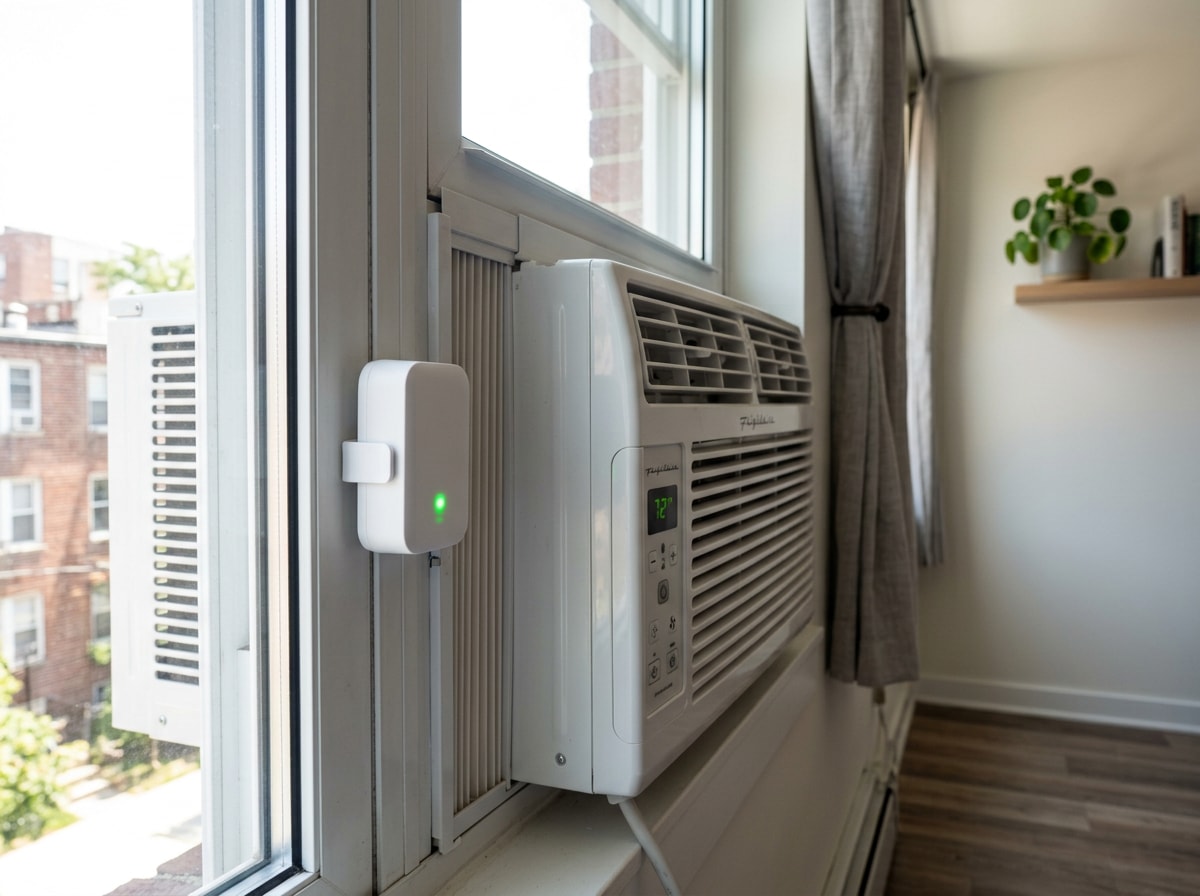
Before buying one, confirm it's compatible with your specific unit's remote protocol. Not every window or portable AC model plays well with third-party controllers.
Still unsure which system fits your apartment and lease? Visit our homepage to see our full range of cooling services, or browse past installation and repair projects to see our work firsthand.
FAQ
What type of air conditioner works best in a Brown Summit apartment?
It depends on your windows and lease. Window units work well for single rooms with standard window access. Portable units suit windowless rooms or stricter leases. Mini-splits deliver the best whole-apartment comfort when the landlord approves one.
Can I install my own apartment air conditioner?
Plug-in window and portable units are generally fine to install yourself, provided the window and frame are in good condition. Mini-splits involve refrigerant lines and electrical work, so they should always go through a licensed technician.
Do I need my landlord's permission to install an AC unit?
Lease terms and building rules, not just the type of unit, determine what's allowed. Always check your lease or ask your property manager before buying or scheduling an install, even for a plug-in window unit.
How often should an apartment AC get maintenance?
Once a year is the general standard, ideally before the cooling season starts in spring. A pre-season check catches a dirty filter, low refrigerant, or a failing capacitor before it causes a breakdown during a summer heat wave.
What's the best air conditioner for an apartment with no outside window?
A portable unit is usually the only option without professional help, since it vents through a short hose rather than a full window opening. A professionally installed mini-split is the other route if the lease and building allow an exterior wall penetration.
How much more does a mini-split cost to install than a window unit?
Mini-splits cost more upfront because the installation includes an outdoor condenser, refrigerant lines, and licensed labor, unlike a window unit that just plugs in. That higher install cost is usually offset over time by lower monthly energy bills.