AC unit replacement in High Point, NC typically runs $3,500 to $12,000, depending on tonnage, SEER2 rating, and whether your ductwork needs work. The right choice depends on your system's age, your home's layout, and the permit rules the City of High Point enforces on every changeout. Here's what actually drives that price tag, and how the installation process runs from quote to final inspection.
How Much Does AC Unit Replacement Cost in High Point, NC?
Cost is the first question every homeowner asks, and it's also where online estimates get confusing. Figures range from a few hundred dollars to well over ten thousand. That spread isn't a mistake. It reflects very different scopes of work.
| Price Band | What's Included | Typical Scope |
|---|---|---|
| $150–$600 | Labor only | Swapping one component where equipment is customer-supplied |
| $3,500–$7,500 | Base equipment + standard install | Entry-to-mid efficiency condenser and coil, straightforward access |
| $7,000–$12,000 | Full system + upgrades | High-SEER2 equipment, ductwork or electrical modifications |
Price depends heavily on SEER2, the cooling efficiency standard that replaced SEER for equipment manufactured starting January 1, 2023. North Carolina falls into the federal government's "Southeast" efficiency region, which carries a higher minimum SEER2 rating for split-system AC than northern states. The U.S. Department of Energy's central air conditioner guidance explains how these ratings are tested and why a higher number lowers your summer electric bill.
Older High Point homes often add cost on top of equipment and labor. Narrow crawlspace ductwork, undersized returns, and outdated electrical panels are common in neighborhoods built before the 1980s, and all three can push a straightforward swap into a more involved project.
If ductwork is the bottleneck, our ductwork replacement team can address leaks or undersized runs before the new system goes in. For a side-by-side look at how these same cost drivers play out just down the road, see our AC replacement cost guide for Kernersville.
AC Unit Replacement Options for High Point Homes
Most High Point homeowners have several realistic paths to a new system. The right one depends on your current equipment's age, your budget, and whether the indoor and outdoor halves of your system still match.
Split-System AC Replacement
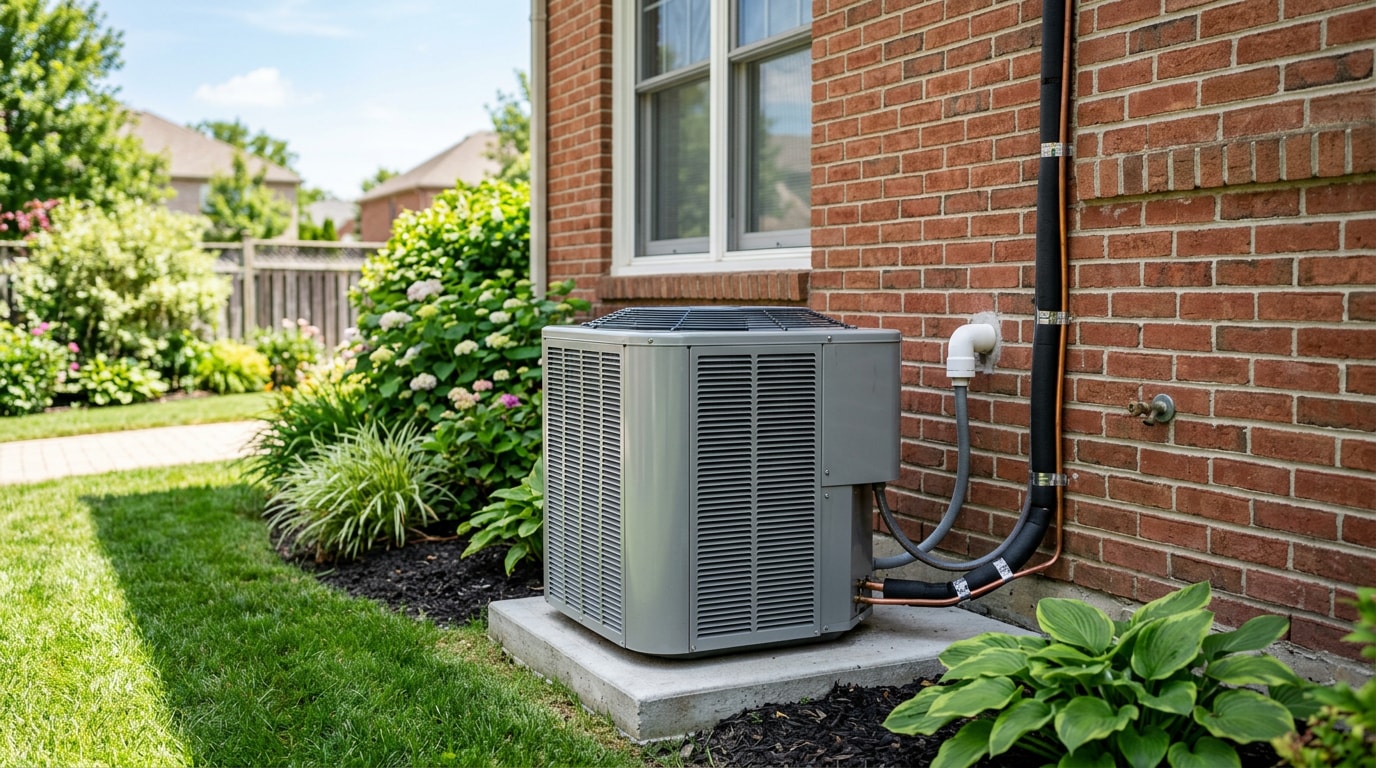
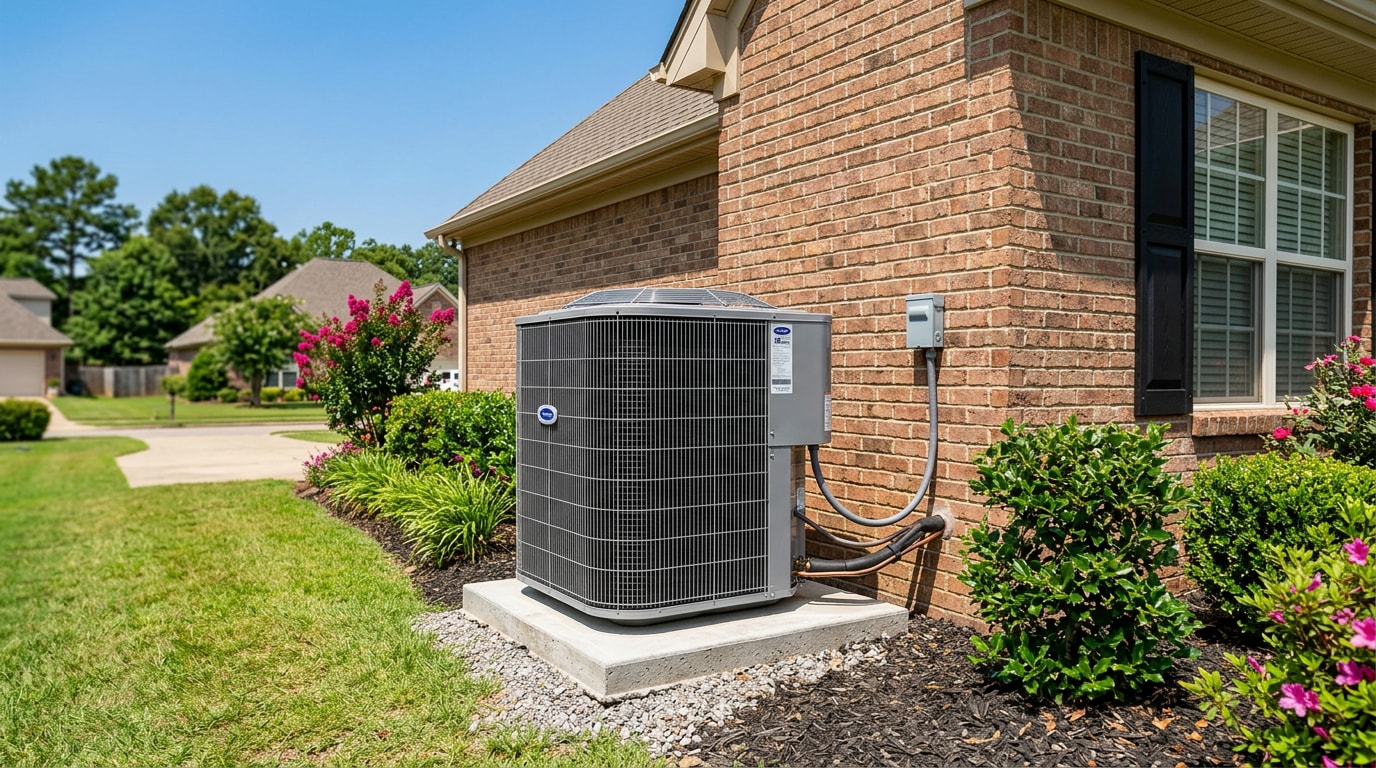
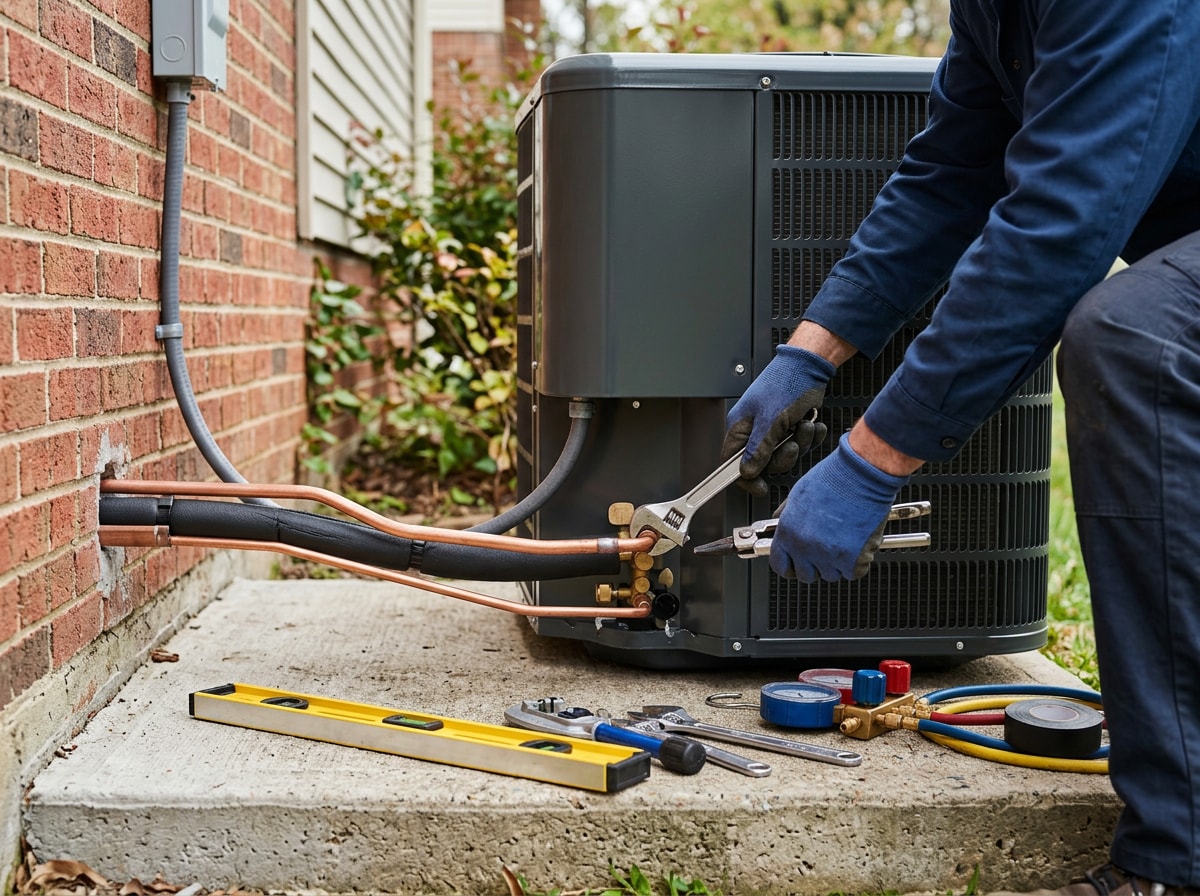
Most High Point homes run split-system AC: a condenser outside, paired with an evaporator coil and blower inside. When one half fails or ages out, a full AC installation that swaps both halves at once is usually the better move rather than mixing an aging coil with new refrigerant.
Condenser-Only Replacement
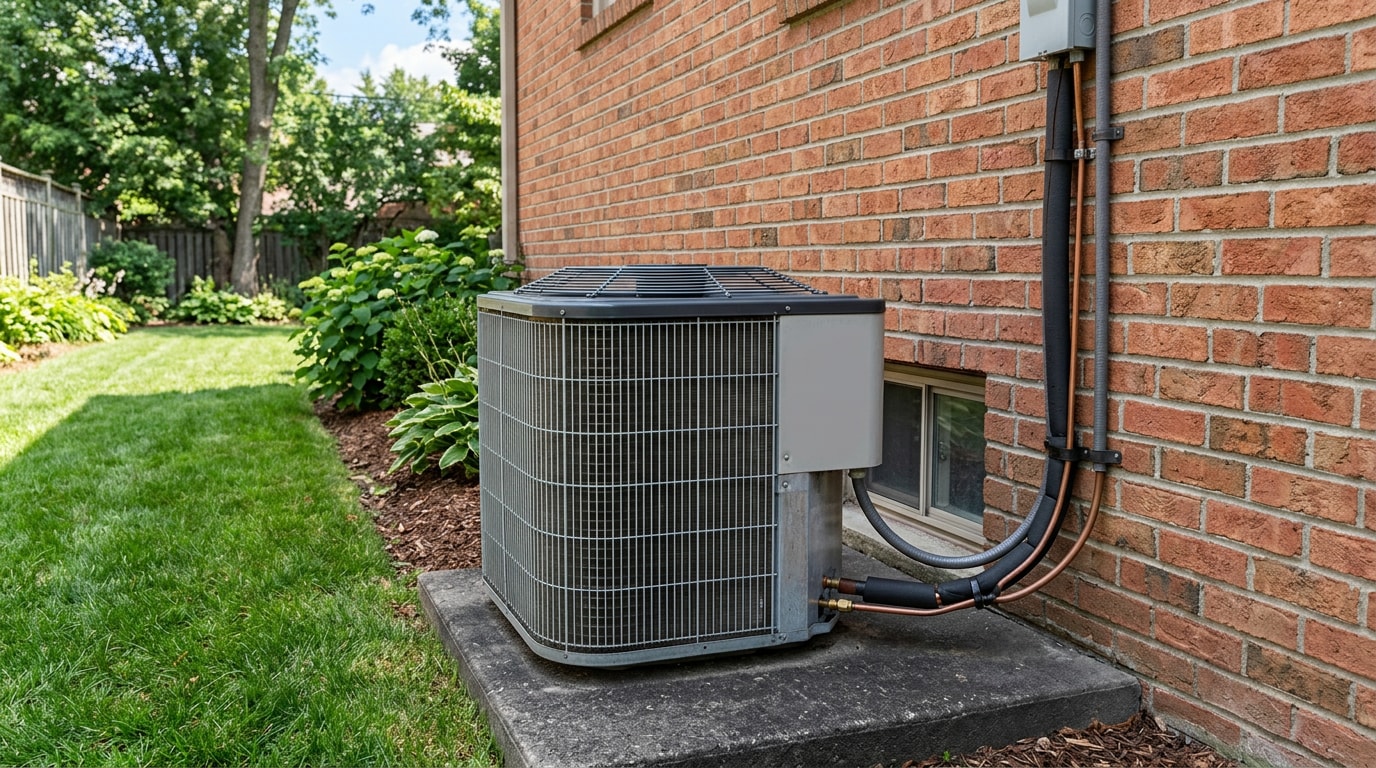
Sometimes only the outdoor condensing unit needs replacing, especially if the indoor coil is newer and still compatible. This route costs less than a full change-out, but it only works when the new condenser's refrigerant type and tonnage match the existing coil exactly. A technician verifies compatibility before recommending it.
Full System Replacement
A full HVAC system replacement pairs a new condenser with a matched indoor coil, sized and tested together for rated efficiency. Most manufacturers require a matched system to honor warranty coverage, which is why full replacement gets recommended once equipment passes the ten-year mark.
Heat Pump Replacement
If your current system is a heat pump rather than straight AC, replacement timing and sizing work the same way, but the equipment also handles winter heating. Our heat pump replacement page covers how that changes the sizing math.
Commercial AC Replacement
Commercial AC replacement for High Point businesses looks different from a single-family swap. Multi-unit properties, restaurants, and office buildings often need larger tonnage, rooftop packaged units, or multiple zones running at once. Scheduling matters too, since many commercial properties need the work done after hours to avoid disrupting operations. See our commercial HVAC replacement services for property-specific planning.
How AC Replacement Works: Sizing, Permits & Installation Day
Every replacement follows roughly the same sequence, regardless of system type. Knowing the steps helps you plan for scheduling and install-day logistics.
1. Load calculation and sizing. Correct sizing starts with a load calculation, not a tape measure or a guess based on the old unit's tonnage. Technicians weigh home size, insulation, window count, and existing ductwork to land on the right capacity. Oversized units cycle too fast and leave humidity behind; undersized units run constantly and wear out early.
When our technicians run load calculations in older High Point neighborhoods, we regularly find return ducts sized for equipment half as efficient as what's going in today. That's a detail a square-footage estimate alone will never catch.
2. The mechanical permit. High Point requires a mechanical permit for any HVAC changeout, not just new construction. The City's Inspections Services permit guide outlines which permit type applies to residential equipment swaps. A licensed contractor pulls this permit as part of the job, and it triggers an inspection confirming the new system meets current code for electrical disconnects, refrigerant line sizing, and condensate drainage. Skipping it can complicate a home sale later and may void manufacturer warranties if problems surface.
3. Installation day. Old equipment comes out, new equipment goes in, and the system gets charged, tested, and walked through with you before the crew leaves. Most straightforward swaps finish same-day.
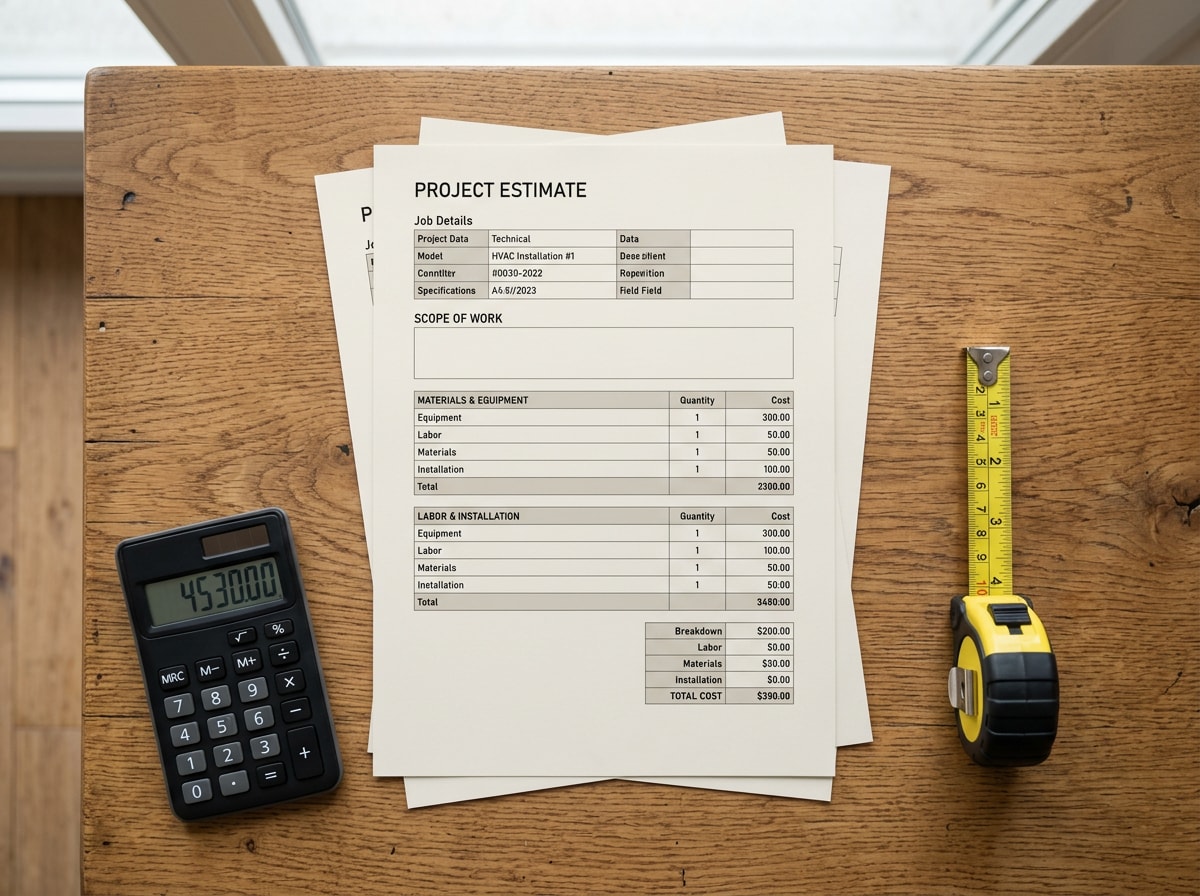
Ask about financing when you request a free estimate if a full system replacement doesn't fit this year's budget.
Repair or Replace? A Quick Gut-Check
Not every aging system needs to go. ENERGY STAR's guidance on when to replace heating and cooling equipment points to age past 10 years, rising repair frequency, and climbing energy bills as the signals worth weighing together, not any single one alone.
A common industry shortcut: multiply the repair estimate by the unit's age in years. If that number tops $5,000, replacement usually wins on long-term value. It's a rough rule, not a law, but it's a fast way to frame the decision before a technician runs the full numbers.
If your system is leaking refrigerant, struggling to hold temperature, or needs its second major repair this year, our air conditioning repair team can give you a straight answer on which side of that line you're on.
FAQ
How long does AC unit replacement take in High Point, NC?
A standard one-to-one swap with no ductwork changes typically takes 4 to 8 hours. Jobs requiring electrical panel upgrades, duct modifications, or line-set replacement can stretch across two full days. Most technicians restore cooling the same day they start.
What size AC unit do I need for my High Point home?
Size comes from a load calculation, not square footage alone. Insulation levels, window count, ceiling height, and ductwork condition all factor in, which is why two similarly sized homes can need different tonnage.
How fast can I get a new AC unit installed?
Common sizes are often in stock regionally and can be installed within a few days of approving a quote. Less common configurations, like high-efficiency variable-speed systems, sometimes take one to two weeks to arrive.
How often should you replace your AC unit?
Most central air conditioners last 15 to 20 years mechanically, but ENERGY STAR flags 10 years as the point to start evaluating replacement against repair costs, especially with heavy Piedmont summer runtime. Units nearing that age with rising repair bills are usually better candidates for replacement than another repair.
Do I need a licensed contractor to install a new AC unit?
Yes. Central AC replacement involves refrigerant handling and electrical work that requires a North Carolina-licensed HVAC contractor, not a DIY project. Permit inspections also require licensed-contractor sign-off before the system can legally operate.
Is a window or portable unit a realistic alternative to central AC replacement?
Window and portable units work for a single room without ductwork, but they're not a substitute for central air in a whole-house setup. Central replacement still needs professional installation because it involves refrigerant lines, electrical connections, and ductwork tie-ins that portable units never touch.
Our High Point, NC service area page has local coverage details, and you can browse recent installs on our projects page. For HVAC Contractor services across the category, visit our HVAC contractor hub. Ready for a straight answer on your own system? Get a free estimate from our High Point HVAC team.
About the author: This guide was reviewed by a North Carolina-licensed HVAC contractor (Heating Group H license) on our installation team, who has performed AC load calculations and changeouts throughout the High Point area. Questions about your specific system? Contact us directly.